Family Finding and Kinship
At Peel CAS, we believe that children belong with their families whenever possible, and 99% of our work is done with children, youth and families in their own homes. In situations when a child can no longer safely remain with their parents or caregivers, we first try to identify people within a child’s extended family and community who can care for and nurture them. This is known as a Kinship arrangement.
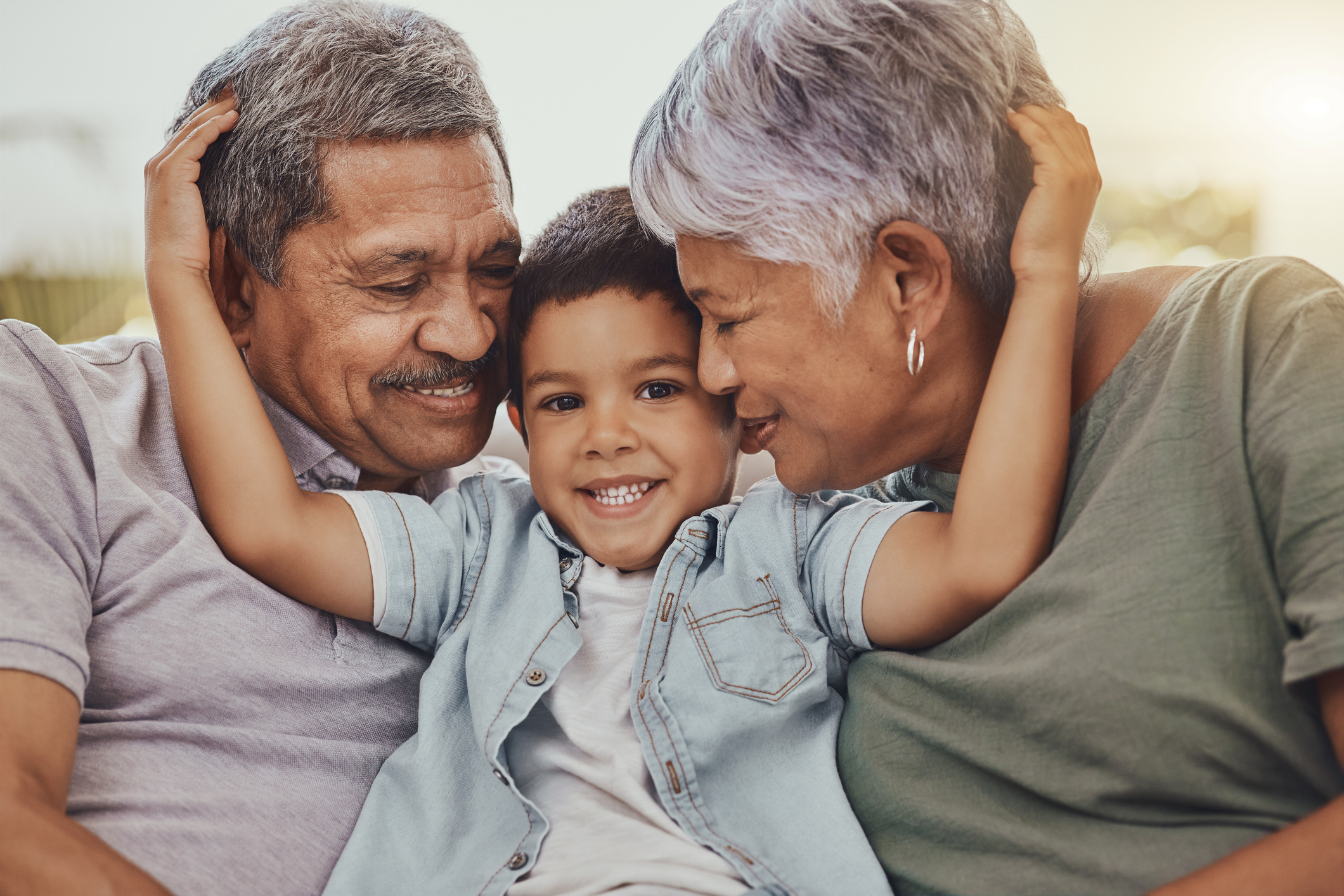
Kinship arrangements keep children in familiar environments with people they know and trust. Kin caregivers may be grandparents, aunts, uncles and other relatives. They can also be family friends, neighbours, teachers, coaches or members of a child or youth’s cultural community. What they share is a meaningful connection to the child, youth or family. These connections reinforce a child’s sense of identity, culture, and self-esteem, and ease the stress of the transition. Whether the arrangement is short-term or long-term, the focus is always on safety and well-being.
Kinship and alternate care arrangements can take several forms:
- Kinship service supports a child or youth to live with relatives, extended family or someone in their community without formally entering the care of a child welfare agency.
- Kinship care allows a child or youth who is in the care of a child welfare agency to live in an approved home with relatives, extended family or someone in their community.
- Customary care supports First Nations, Inuit and Métis children and youth to receive care in a way that reflects the customs, traditions and practices of their community.
Children and youth need life-long connections with their families and communities. If kin are unable to provide a full-time placement for a child already in care of Peel CAS, there are many other ways they can remain involved in the child's life, including attending school or sports activities, taking a child for visits to religious or cultural events and staying connected through phone calls or social media.
Research shows that children and youth are safer, happier, and have better outcomes when kin are involved in their lives. Peel CAS has a Kinship team responsible for finding possible kin placements, screening and assessing potential caregivers, and offering ongoing support to kin families.